Advertisements
Most people don’t regret getting a credit card — they regret getting the wrong credit card, for the wrong reason, at the wrong moment. That’s why doing a proper review of credit card TSB Bank before you commit can feel like putting on glasses for the first time: suddenly you see the fine print, the habits, and the hidden costs that were always there.
Analysing first changes your mindset from “Which card will give me the biggest limit?” to “Which card will fit my life without turning into stress?” That shift is huge. It’s like choosing shoes: the flashiest pair isn’t the best if you’re walking ten miles a day. The best pair is the one you can actually live in.
A personal opinion that might sound blunt: if your plan relies on luck — “I’ll probably pay it off later” — you’re not choosing a card, you’re gambling with interest. A proper analysis forces you to replace hope with a system. And a system is what makes any TSB Bank product either useful or painful.
This guide is especially useful if you’re in one of three situations. First, you’re new to credit cards and you don’t want to learn the hard way. Second, you’ve had a card before, but you want a cleaner setup with fewer surprises. Third, you’re trying to tidy up an existing balance and want to understand whether a structured card could help without becoming a trap.
In the UK, people often underestimate how much “fit” matters. A credit card isn’t just a payment method — it becomes part of your monthly rhythm. If the rhythm suits you, the card feels effortless. If it doesn’t, it’s like wearing a backpack full of bricks you didn’t realise you packed.
Quote to keep in mind:
“A credit card doesn’t create financial discipline — it exposes whether you already have it.”
Here’s the simplest way to understand credit card TSB Bank: it’s a borrowing tool with a schedule. You borrow within a limit, you get a statement, and you repay. If you repay in full by the due date, you can often avoid interest on purchases. If you don’t, the cost of borrowing becomes part of your everyday life — and not in a fun way.
Many people mentally treat the limit as “space” they can use whenever their bank account feels tight. That’s the moment a credit card stops being a tool and starts being a crutch. And crutches are fine when you’re healing — but not when you’re trying to run your life on them.
My honest take is this: the best credit card experience is boring. You use it for planned spending, you repay it smoothly, and it quietly supports your financial stability. If your card feels like a dramatic series with cliffhangers every month, something is off.
I like to think of a credit card like a remote control for your budget. Press the right buttons and you organise your spending, track it neatly, and keep everything in one place. Press random buttons and suddenly you’re on a channel you didn’t choose, watching a programme you never wanted, wondering how you got there.
With TSB Bank, the best approach is to give the card a job. Make it the “bills and subscriptions” card, or the “groceries and essentials” card. Once it has a role, you stop treating it like a magic wand and start treating it like a tool in your kit.
This is the workhorse style: designed for day-to-day spending and predictable use. In real life, it suits people who want a simple pattern: spend within plan, repay on time, move on. It’s the kind of card that can be genuinely useful if you’re disciplined and a bit stressful if you’re not.
If you’re the sort of person who loves clean routines, an everyday credit card TSB Bank profile can feel like a tidy drawer. Nothing fancy, but everything where it should be.
A balance transfer profile is aimed at people moving existing credit card debt into a more manageable structure. It can be helpful if you have a clear repayment plan and you want to reduce the cost while you pay it down.
But I’ve also seen people treat balance transfer offers like a holiday. They relax, keep spending, and then panic when the promotional period ends. A balance transfer is not a holiday — it’s a runway. Use it to take off, not to sit around.
This style can appeal if you sometimes carry a balance and want to reduce the sting compared with higher-rate options. It’s not an excuse to carry debt, but it can reduce damage if you’re genuinely in a transitional phase.
My opinion here is practical: if you’re going to carry a balance occasionally, you should at least be honest about it and pick a structure that doesn’t punish you unnecessarily. Pretending you’ll “always repay in full” when you know you won’t is how people end up surprised.
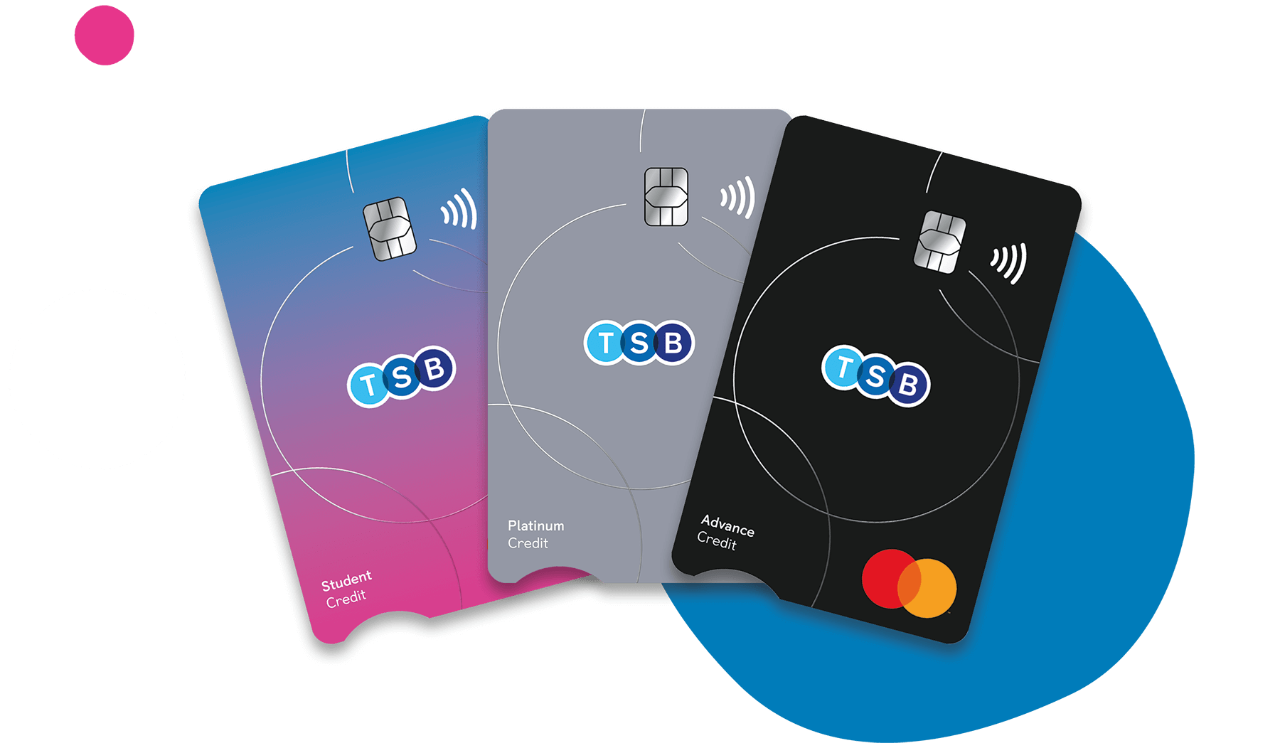
Student profiles are usually built for controlled learning: smaller limits, simpler use, and the chance to build credit history. The real value is not in spending — it’s in learning the statement rhythm and developing consistent repayment behaviour.
A student card is like a learner car. It’s meant to teach you how to drive responsibly, not to prove how fast you can go.
A simple rule that saves people a lot of grief: choose based on what the next three months look like. If you’ve got a planned purchase coming up, you want a structure that supports that. If you’re reorganising debt, you want a structure that rewards repayment. If you’re a student learning the ropes, you want control and simplicity.
Marketing often sells identity — “the traveller”, “the rewards person”, “the premium lifestyle”. Real life is less cinematic. Most of us need a card that behaves well when we’re tired, busy, and slightly forgetful. Choose for that version of you.
An initial limit is what you’re offered at the start. A sensible limit is what fits your budget without tempting you into overspending. These are not always the same thing — and that’s normal.
A common misconception is that a higher limit automatically means you’re “doing well”. In practice, a higher limit can be useful for flexibility, but it can also be a bigger trap if your spending habits aren’t stable.
Limits are usually influenced by affordability and risk signals: income, existing commitments, and your credit behaviour. In the UK, lenders also look at consistency. If you’ve been stable, the numbers tend to reflect that.
This is why being boring helps. On-time payments, low utilisation, and steady behaviour can matter more than trying to look impressive on an application.
If you want a higher limit, the most effective approach is not begging — it’s demonstrating responsibility. Regular use, clean repayments, and keeping balances manageable often do more than any clever request.
Here’s the mindset: you’re not trying to “get more money”. You’re asking for more capacity because your current capacity no longer matches your planned spending. That’s calm and credible.
APR becomes important the moment you carry a balance. If you repay in full each month, APR matters far less for purchases. If you pay the minimum, APR becomes the silent tax on your future.
I once heard someone describe minimum payments as “renting your own spending”. That line stuck with me because it’s painfully accurate. Paying minimum is the slowest, most expensive way to repay.
Beyond interest, there can be charges like late payment fees, foreign transaction costs, and balance transfer fees depending on the product and how you use it. These fees aren’t always huge, but they add up the way small leaks fill a bucket.
To keep this mostly discursive, I’ll summarise it visually with a simple table.
| Cost area | What it relates to | Why it matters in real life |
|---|---|---|
| Interest (APR) | Carrying a balance | Can turn small debt into long repayment |
| Late fees | Missing due dates | Adds cost and can damage your profile |
| Transfer fees | Moving balances | Reduces the “benefit” if fees are high |
| FX charges | Spending abroad | Can quietly inflate travel spending |
People skim headlines and ignore the mechanics. The mechanics are where the truth lives. Things like how repayments are allocated when you have different balances, or what triggers promotional offers to end, can matter more than the marketing promise.
If you only read one section of the terms, read the part that explains what happens when you don’t repay in full — because that’s where the card becomes expensive.
In the UK, contactless and digital wallets are no longer “nice extras” — they’re basic expectations. The practical benefit isn’t just convenience; it’s speed and reduced friction. If you’re using a credit card TSB Bank day-to-day, you want it to slot into your routine without making you think.
Notifications are underrated. They are the seatbelt of modern finance: you don’t feel them most days, but they protect you when something goes wrong. A quick alert can help you spot a suspicious transaction or catch a subscription you forgot.
My personal view is that notifications are especially valuable for beginners. They train awareness. Awareness builds control. Control keeps credit healthy.
Control features like freezing the card, tracking spending categories, and managing limits can stop small problems from becoming big ones.
If I had to pick the single most protective feature, it’s the ability to quickly lock the card and manage it from your phone. It’s like having a “pause” button for risk. Not glamorous, but extremely practical.
Quick reality check:
“A good credit card doesn’t just let you spend — it helps you stop spending when you need to.”
When people search how to apply for a card, they often think there’s a secret trick. There isn’t. You usually need standard identity and affordability details, and you need them to be consistent and accurate.
This is where the keyword como solicitar cartão matters in practice: the best application is the calm, careful one. Rushing creates mistakes. Mistakes create delays or declines.
Applications often follow a predictable sequence: submit details, verify identity, assess affordability, confirm decision, set up the account. Timelines vary, but the structure is usually similar.
Small details matter because automated checks are strict. Inconsistent address history, mismatched information, or applying when your profile is in flux can hurt your chances.
My advice is simple: treat the application like filling in a passport form. You don’t improvise. You double-check. You keep it clean.
If you want TSB Bank credit card use to feel smooth, repay the full statement balance whenever possible. It’s the simplest way to keep interest from becoming part of your life.
If you can’t repay in full every month, don’t pretend. Create a plan and make it temporary. Credit works best as a short bridge, not a permanent home.
Understanding statement dates and due dates can reduce stress. Purchases made just after a statement date can effectively have longer before they’re due. This isn’t about “gaming” the system — it’s about understanding the rhythm so you can plan.
One of the best uses of a card is turning it into a single hub for subscriptions and household bills, then repaying in full. That makes your statement a tidy record of recurring spending.
Think of your monthly statement as your spreadsheet. It becomes a clean list of your fixed costs and predictable spending. If you do this with credit card TSB Bank, you create a habit loop: spend → track → repay → repeat.
A balance transfer can help when you have a clear repayment plan and you’re using the promotional window to pay down debt faster. It can reduce cost while you get organised.
It can go wrong when you transfer debt but keep spending as if nothing happened. That’s how people end up with both old habits and new balances.
Here’s a simple repayment target table to make decisions feel less emotional and more mathematical.
| Balance to repay | Months available | Suggested monthly target |
|---|---|---|
| £1,000 | 10 | £100 |
| £1,800 | 12 | £150 |
| £2,400 | 12 | £200 |
| £3,300 | 11 | £300 |
If the target feels unrealistic, adjust the plan before you transfer. The maths will always win eventually.
Used carefully, credit card TSB Bank can help you build a credit history through consistent behaviour. The key is not high spending — it’s steady repayment.
Beginners often overuse the card because the limit feels like permission, or they miss the due date because they don’t respect the statement cycle. Both mistakes are common, and both are avoidable with reminders and discipline.
You don’t need to push usage hard. Small regular use repaid in full can demonstrate stability. Think of it like learning a language: ten minutes a day beats one exhausting weekend.
Premium cards can look shiny, but they only make sense if your spending naturally matches the benefits. Practical cards are often easier to maintain and less likely to encourage overspending.
Some organisations build everything around cards, others offer cards as part of a wider setup. That can affect features and customer expectations. What matters is fit, not hype.
Choosing a practical card can mean fewer perks, but more clarity and less temptation. For many people, that trade is worth more than points they never actually redeem.
If you like structure, you’ll probably enjoy a straightforward credit card. These people tend to repay in full, track spending, and use the card as a tool.
If you want fewer moving parts, a simple setup is a relief. Sometimes the best perk is mental calm.
If you’re committed to paying down debt and want a structured plan, a balance transfer profile can help — if you treat it like a plan, not a pause.
If you rely on minimum payments, regularly overspend, or use credit to patch monthly cashflow gaps, a credit card can become stressful. In that scenario, stabilising your budget is the better first step.
To keep lists minimal, here are five quick green signals that credit card TSB Bank could suit you:
And five signs you should pause:
Ask yourself: “Can I explain exactly how I’ll repay this card each month?” If you can, you’re thinking like a responsible user. If you can’t, wait and build the plan first.
Choosing credit card TSB Bank is less about finding a “perfect” product and more about building a setup you can actually maintain. If you repay in full, keep spending planned, and use alerts and controls, the card can feel like a tidy tool that keeps life organised rather than chaotic.
If you’re still deciding, focus on the mechanics: how interest applies, how fees show up, and how your repayment habits will realistically look over the next three months. That’s where “worth it” lives, not in glossy marketing phrases or limit numbers that look impressive on screen.
Finally, treat como solicitar cartão as a process, not a moment. When you apply calmly, with accurate details and a repayment plan, you give yourself the best chance of approval and the best chance of enjoying the card afterwards. In the end, the right choice is the one that keeps you confident month after month, not the one that looks exciting for five minutes.